Why Brokers Need Real-Time Exposure Monitoring
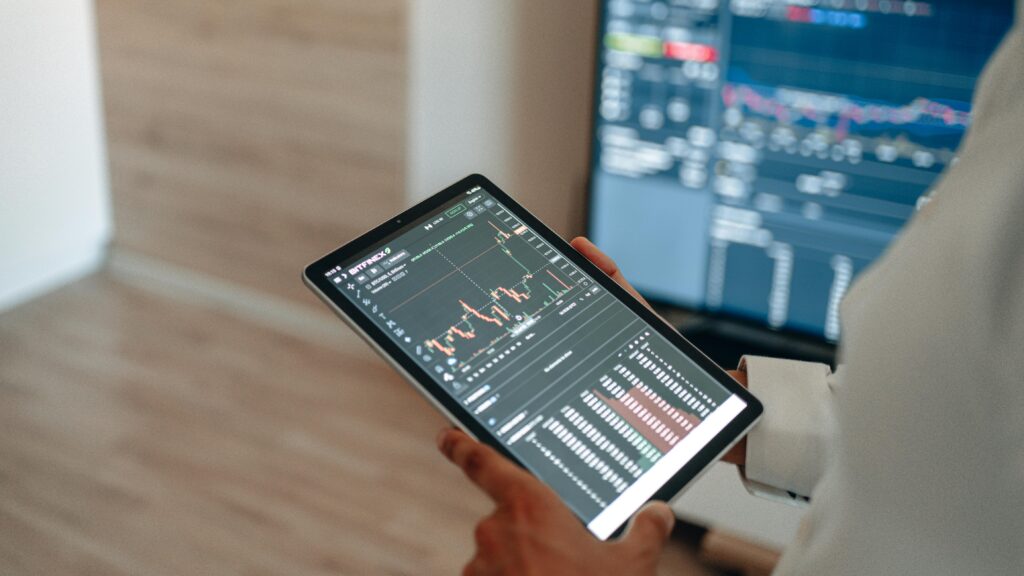
For STP (Straight Through Processing) brokers, the fundamental promise to clients is simple - every trade placed on the platform is passed directly to a liquidity provider without broker intervention. No dealing desk, no manual execution, no conflict of interest. Clean, transparent, automated execution.
But what happens when that automated process breaks down? What happens when a trade executes on the MetaTrader server but the corresponding hedge order fails to reach the liquidity provider? Or when a connectivity issue between the liquidity bridge and the LP causes a position to go unmatched? In those moments - which are more common than most brokers would like to admit - the broker is left with unhedged market exposure it never intended to carry.
This is precisely why real-time exposure monitoring is not a nice-to-have for STP brokers. It is a fundamental operational requirement.
What Is Exposure Monitoring?
Exposure monitoring is the continuous comparison of net positions held on a broker's trading platform - typically MetaTrader 4 or MetaTrader 5 - against the corresponding positions held at the connected liquidity providers. In a perfectly functioning STP environment, these two sides should always match. Every open client position should have an equal and opposite hedge position sitting at the LP.
When they do not match, the broker has uncovered exposure. That uncovered exposure is unintended market risk - the broker is effectively trading its own book without having made a deliberate decision to do so.
Why Non-Flat Exposure Happens
Non-flat exposure is not uncommon in live brokerage environments. There are several well-documented causes:
Liquidity Bridge Failures
The liquidity bridge sits between the MT4/MT5 server and the liquidity provider. When bridge connectivity is interrupted - even briefly - orders can execute on the platform side without the corresponding hedge being placed. The client's trade is confirmed. The LP hedge is missing.
Execution Errors
LP rejection of orders - due to price requotes, size limits or connectivity timeouts - can leave positions partially or fully unhedged. In fast markets, these rejections can accumulate quickly before the dealing desk or risk team is even aware they are happening.
System Failures and Restarts
Platform restarts, server migrations or scheduled maintenance windows can all introduce temporary discrepancies between platform positions and LP positions. If reconciliation is not performed immediately after
Related
Talk to a brokerage specialist
Whatever stage your brokerage is at, our team can help with the platform, liquidity, risk and reporting work behind it.
Book a Free Consultation